
Does your home insurance cover your solar system?

Tony Lopes
Short answer: Probably, but only if your insurer knows about it, your sum insured includes it, and the installation is certified. Many homeowners added solar during load shedding without telling their insurer or getting a Certificate of Compliance. If something goes wrong, either gap can shrink or sink a claim.
Here's how solar is usually insured in South Africa, where claims tend to fall apart, and what to check with your broker this week. Insurance is one of three things that keep a solar system legal and claim-ready; our page on solar compliance in Johannesburg covers all three.
How Solar Is Usually Covered
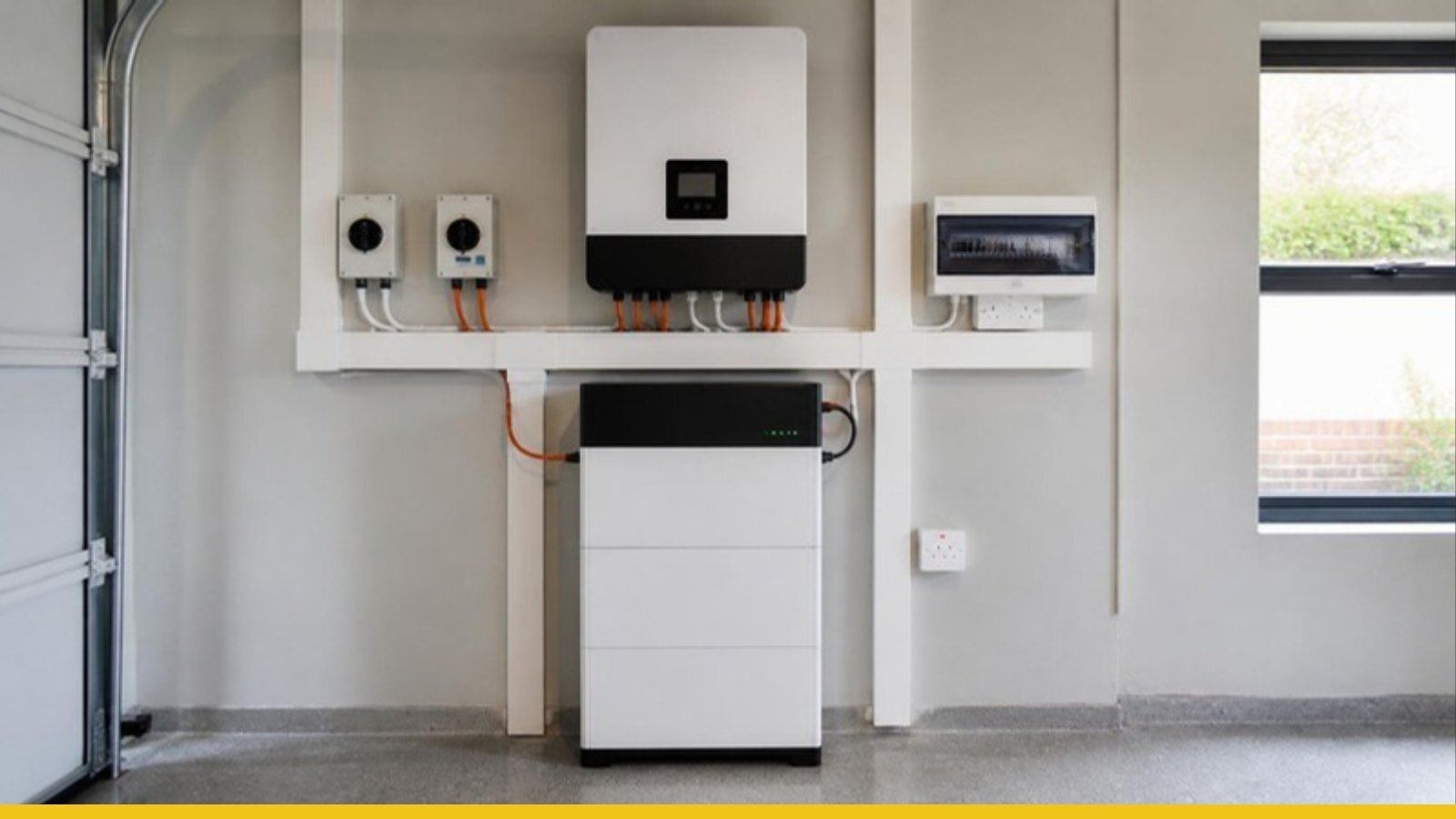
Panels bolted to your roof and an inverter and battery wired into your distribution board are normally treated as part of the building, so they fall under your buildings policy. Some insurers handle batteries, portable units or ground-mounted arrays differently, so don't assume. Ask your insurer exactly which section covers each part of your system, and for what events.
Four Ways a Solar Claim Goes Wrong
1. Your Insurer Doesn't Know the System Exists
Insurers expect to be told about material changes to your home. A R150,000 solar system is one. Tell them when it's installed, or now if you never did, and ask them to note it on your policy schedule.
2. Your Sum Insured Is Too Low
If your building's sum insured doesn't include the cost of replacing the solar system, you're underinsured. Most South African policies carry an average clause, which means the insurer pays out only the same proportion of your claim as your cover bears to the true value. Underinsure by a third, and you could get two thirds of every claim, not just the solar part.
3. There's No Certificate of Compliance
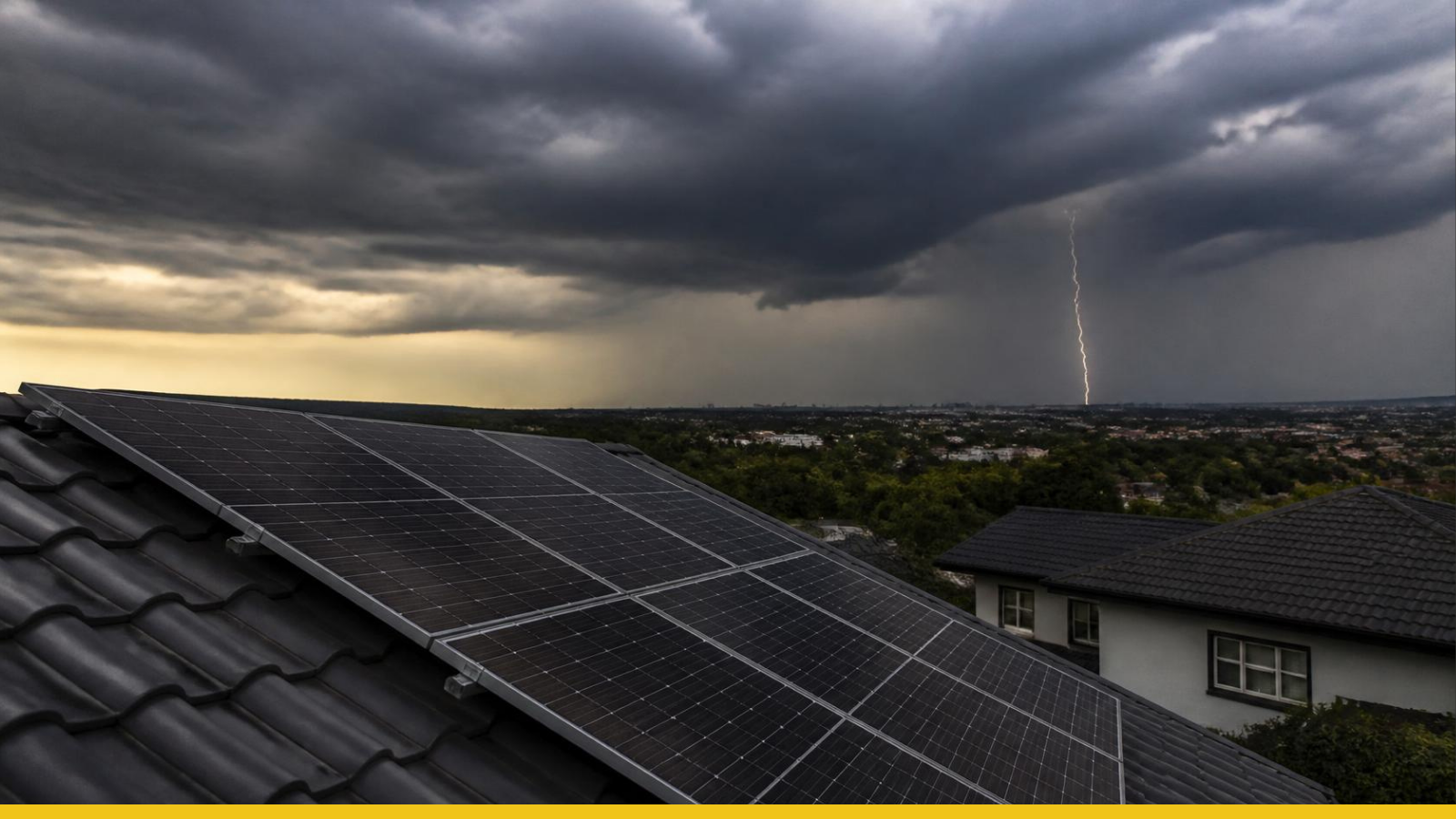
Policies generally require you to comply with the law, and the law requires a valid CoC for your electrical installation, including a new or supplementary CoC when solar is added. After a fire, a lightning strike or storm damage, insurers can ask to see it. Without one, they may reduce or reject the claim, and not only for the solar equipment. See what to do if your solar has no CoC.
4. The Damage Isn't an Insured Event
Home insurance pays for sudden events: fire, storm, hail, lightning, theft. It doesn't pay for:
- Wear and tear, including a battery that slowly loses capacity
- Faulty workmanship or components that simply fail, which is a warranty matter
- Poor maintenance, such as damage from loose connections left unchecked
- Grid failure or the cost of power cuts
Three Gaps to Check Specifically
Power Surge Cover
Inverters and batteries are sensitive to surges. Surge cover is often limited or sold as an add-on rather than included automatically. Check your limit, and whether it covers the inverter and battery.
Theft
Solar panels are increasingly targeted by thieves. Check that theft of items fixed outside or on the roof is covered, and whether your insurer expects anti-theft bolts or other security.
Hail
Hail damage is usually covered as storm damage, but excesses vary and some insurers send an assessor before repairs. Our guide to hail damage on solar panels covers what to do after a storm.
Keep a Claims File
If you ever need to claim, the insurer will ask for proof of what you had and that it was installed properly. Keep these together:
- Your electrical CoC, and any CoC issued when the solar was installed or changed
- Installer invoices listing each component by make and model
- Serial numbers and warranty documents for the panels, inverter and battery
- Photos of the installation, including the roof, inverter, battery and isolators
- Service and maintenance records
Questions to Ask Your Broker
- Is my solar system noted on my policy, and under which section?
- Does my sum insured include the full replacement cost of the system, installed?
- What's my surge limit, and does it cover the inverter and battery?
- Is theft of roof-mounted panels covered, and do you require any security measures?
- What documents will you need from me if I claim?
Frequently Asked Questions
Will my premium go up if I declare my solar?
It may go up slightly, because you're insuring more. That's a small price compared with an underinsured claim.
Does the installer's warranty replace insurance?
No. Warranties cover defects in the products or the workmanship. Insurance covers sudden damage from events like fire, hail and theft. You need both.
What if my installer never gave me a CoC?
A registered electrical contractor can inspect the system and issue one once it complies. Fix this before you need to claim, not after.
Where We Fit In
A Solar Health Check confirms whether your system is certified, safe and documented. A Full Solar System Audit goes further, with a thermal survey and a report you can hand to your insurer or broker. Where repairs are needed, a registered electrical contractor does the work and issues the CoC.
We work across Blairgowrie, Linden, Randburg, Ferndale, Northcliff, Fairland, Emmarentia, Greenside, Parkhurst and the suburbs around them. Insurance brokers can work with us too.
Book a Health Check, or see the Full Solar System Audit.
This guide is general information, not insurance advice. Your broker or insurer can confirm what your policy covers.
Sources: COVER, December 2024; Adams & Adams via GoLegal; iWYZE, 2025; Daily Investor, August 2026.