Load Shedding Stopped. What Is Your Solar System For Now?

Tony Lopes
If you put solar on your roof in 2022 or 2023, you almost certainly did it for one reason: to keep the lights on when Eskom switched them off.
Then the load shedding stopped. The last round was in May 2025, and South Africa has now gone more than 16 months without it. For a lot of Johannesburg homeowners, that has turned a system that felt essential into one that feels like an expensive box on the wall.
It isn't. Its job has changed. A system bought to survive outages now has three different jobs: cutting your bill, staying safe as it ages, and keeping you on the right side of the law. Most systems in Joburg were never set up for any of them.
What Changed
The grid got more reliable. Eskom puts the run without load shedding down to better power station performance and fewer unplanned breakdowns. That doesn't mean the power never goes off. Substation faults, cable theft and load reduction in some areas still cause local outages, so backup still has some value. It just isn't the whole point any more.
Electricity kept getting more expensive. City Power's tariffs went up 8.63% on 1 July 2026, and the prepaid energy blocks went up by about 9%. On top of the price per unit, a residential prepaid customer now pays R210 a month in fixed charges before using a single kilowatt-hour. That's R241.50 including VAT.
The system got older. A system installed in 2022 has been through four Highveld summers. Every hot afternoon and cool night heats and cools its connections, and every day its battery charges and discharges. Some of those systems were installed carefully. Many were installed in a hurry by whoever was available, and nobody has looked at them since.
Job One: Cutting Your Bill
A system set up for load shedding is set up to protect you from an outage. Typically, the battery is held full, or close to it, all day, just in case. Some systems top it up from the grid overnight.
That made sense in 2023. In 2026 it means your battery sits full while the sun shines, and you still buy expensive grid power in the evening, when the house uses the most.
A system set up to cut your bill does the opposite. It uses the solar during the day, charges the battery from the sun rather than the grid, and spends that stored energy in the evening instead of keeping it in reserve for an outage that may not come. It still keeps enough back for a sensible amount of backup, but not the whole battery.
The signs your system is still aimed at the old problem:
- The battery is full by midday, but you still buy electricity in the evening
- Your bill came down less than the salesperson said it would
- You run the dishwasher, pool pump or geyser whenever suits you, not when the panels are producing
- You've never looked at the settings since the day it was installed
None of that means anything is broken. It usually means the system is configured for the wrong year. We call it mis-tuned, not broken.
Job Two: Staying Safe
Solar systems don't fail loudly. A connection that was never tightened properly works a little looser every summer. A cheap connector joined to a different brand of connector runs a little hotter every day. A battery slowly loses capacity until it can't carry the house through the evening.
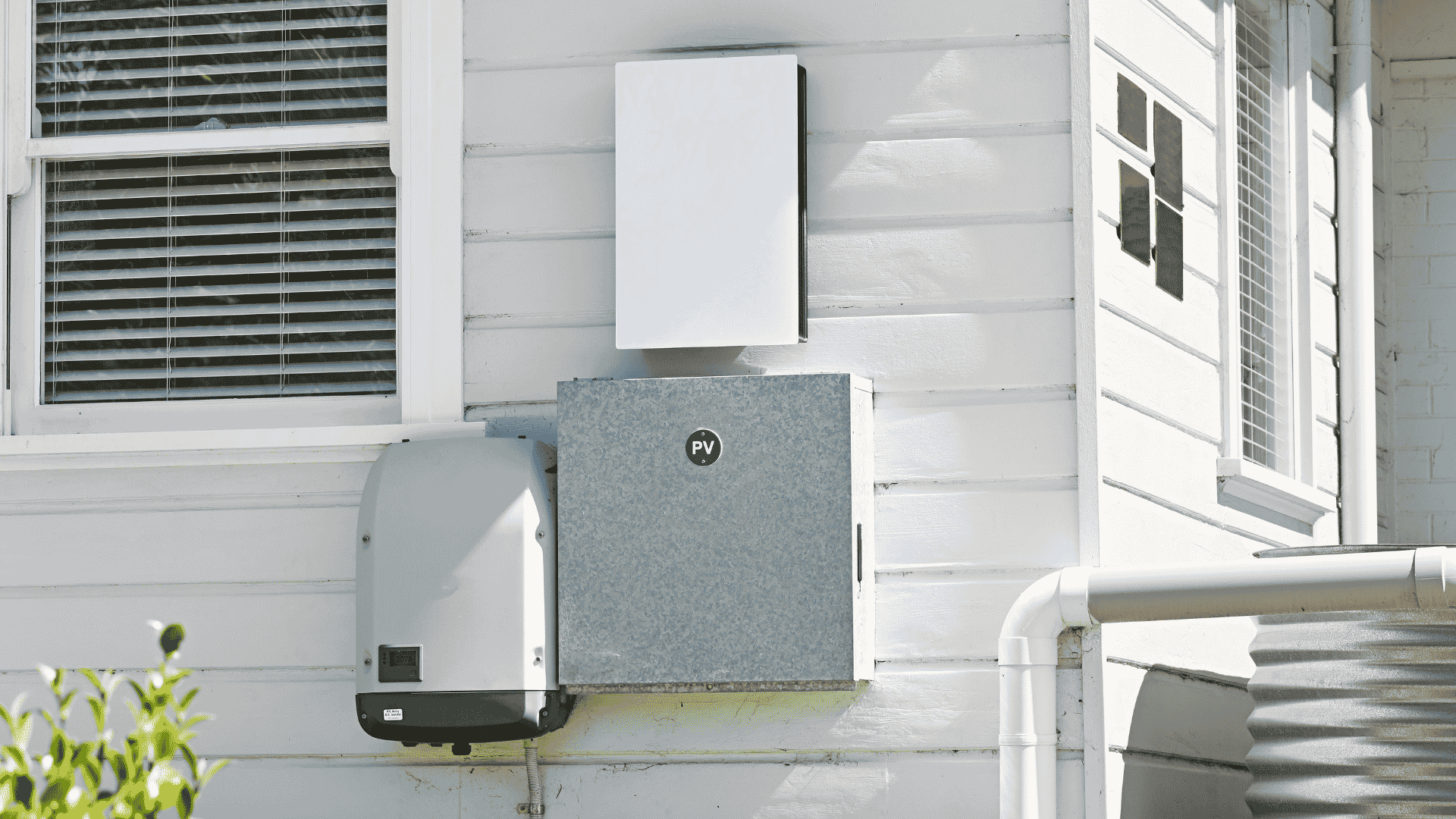
The dangerous part is on the DC side, between the panels and the inverter. It carries high voltage whenever there is daylight, and it can't be switched off. A bad DC connection can hold an arc long enough to start a fire. That's why a system nobody has checked since 2022 is worth checking now, not after something goes wrong.
Job Three: Staying Legal
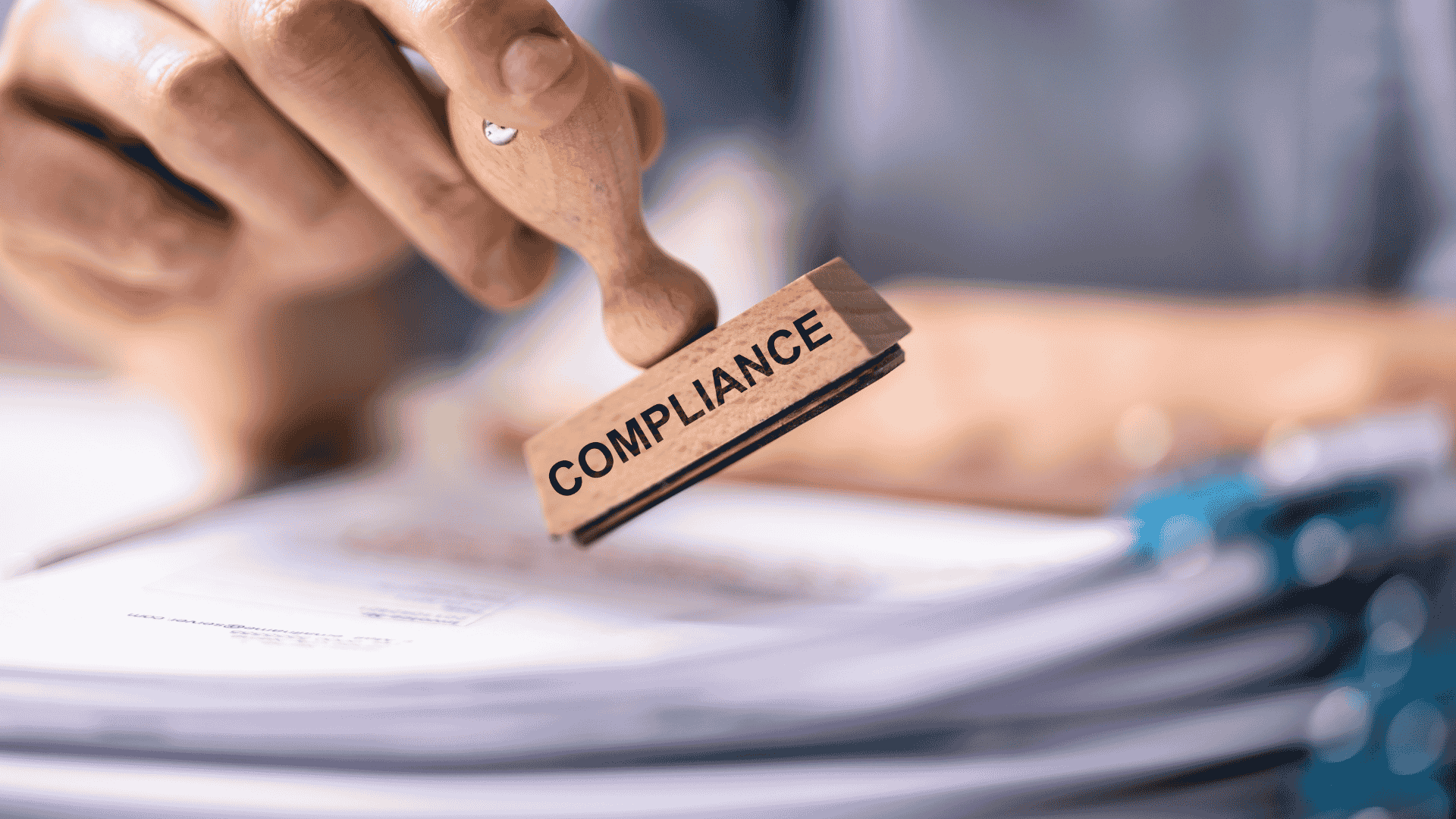
This is the one almost nobody tells you. Under the Electrical Installation Regulations, the user of an electrical installation is responsible for its safety, safe use and maintenance. In a home you own and live in, that's you. Not the installer who has moved on.
Two practical questions follow from that:
- Is your system registered with City Power? Grid-tied systems need to be registered as small-scale embedded generation (SSEG). An unregistered system can hold up a property transfer and complicate an insurance claim, and registration changes how you are billed.
- Does your insurer know it's there? A solar system is a material change to your house. If you haven't told your insurer, a claim involving the system, or the roof it's on, may not go the way you expect.
What to Check First
You can do all of this yourself in an evening, without opening anything.
- Find your paperwork. Look for the Certificate of Compliance for the solar installation, any letter from City Power about registration, and the installer's invoice. If you can't find a CoC, that tells you something.
- Phone your insurer. Ask whether the solar system and battery are noted on your policy, and what they would need if you ever claimed.
- Open your inverter's app. Compare what the system produced this September with last September. A big drop with similar weather is worth asking about. Then look at the battery reserve setting, which is often called backup SOC or minimum state of charge. If it's set close to 100%, your battery is mostly waiting for an outage.
- Look, listen and smell. Stand near the inverter, battery and isolators. Any discolouration, melted plastic, a burning smell, buzzing, water marks or a battery case that looks swollen means stop, don't touch it, and get it looked at quickly.
- Read your bill. Are you on prepaid or postpaid, and what are you paying in fixed charges before you use anything? That number is the starting point for any conversation about savings.
One caution: don't change settings in the inverter you don't understand. Some of them control how the system connects to the grid and how it protects itself. The battery reserve is fine to look at. Changes to export and grid settings are a job for a registered person.
Not Sure What You're Looking At?
Download our free checklist, "Is your solar system legal and safe?". It takes ten minutes and tells you whether your system is worth having looked at.
If you'd rather someone checked it for you, that's what we do. We check, fix, register, re-tune and maintain existing solar systems across Blairgowrie, Linden, Randburg, Ferndale, Northcliff, Fairland, Emmarentia, Greenside, Parkhurst and the suburbs around them.