
What solar costs in 2026

Tony Lopes
Ask three installers what a solar system costs and you'll get three numbers that don't look like they're for the same thing. Usually they aren't. One is quoting a battery and inverter with no panels. One is quoting a budget brand without the Certificate of Compliance. One is quoting the whole job, paperwork included.
This guide puts real 2026 numbers on the three kinds of system most Joburg homes end up with, explains what moves the price up or down, and covers the costs that don't appear on the quote at all. If the whole system is more than you can spend right now, the last section explains what to install first so nothing you buy today has to be thrown away later.
The Short Answer
For a properly installed home system in Johannesburg in 2026, expect roughly:
|
Tier |
What it is |
Typical installed price
|
|---|---|---|
|
Backup Starter |
Inverter and one battery, no panels |
About R50,000 to R75,000 |
|
Hybrid Home |
5 kW inverter, about 10 kWh of battery, a small array of panels |
About R90,000 to R145,000 |
|
Full Home |
8 kW inverter, about 15 kWh of battery, a larger array |
About R150,000 to R235,000 |
Market ranges, including VAT, from installer prices and quote portals checked on 30 September 2026. Your quote depends on your house.
The spread inside each tier is wide on purpose. The rest of this guide explains where your house is likely to land.
Why Solar Is Cheaper Than It Was in 2023
If you priced a system during the load-shedding rush and walked away, it's worth looking again. Battery prices have come down a long way since 2023, and batteries are the most expensive part of most systems. Demand has cooled too, so installers have time to do the job properly instead of squeezing in three a week.
Two things haven't changed. The R15,000 personal tax rebate for solar panels ended in February 2024, and nothing has replaced it for homeowners. And cheap systems are still cheap for a reason. The low end of every range in this guide is usually a budget inverter brand, fewer protection devices, or no paperwork.
What You Get in Each Tier
Backup Starter: about R50,000 to R75,000
An inverter and a battery, wired into your distribution board so the essentials keep running when the power goes: lights, Wi-Fi, TV, fridge, a laptop or two. There are no panels, so it charges from the grid and doesn't cut your bill.
This is the right starting point if outages bother you more than the bill does, or if you want to spread the cost over a year or two. Buy the inverter you'll want when the panels go on later, not the smallest one that works today.
Hybrid Home: about R90,000 to R145,000
A 5 kW inverter, around 10 kWh of battery and a few panels. The panels run the house during the day and top up the battery, and the battery carries you through the evening. This is where most two- and three-bedroom Joburg homes land.
At the bottom of this range you'll find budget brands and smaller batteries. At the top, a name-brand inverter, more panels and more storage.
Full Home: about R150,000 to R235,000
An 8 kW inverter, around 15 kWh of battery and a bigger array, for larger households, home offices, pool pumps and electric geysers on a timer. Very large homes, three-phase supplies and 12 kW-plus systems go beyond this range, often well beyond.
Where the Money Goes
Roughly, the price of a hybrid system splits into five parts.
- The battery. Usually the biggest single cost. A 5 kWh lithium iron phosphate (LFP) module from a brand common in Joburg homes was advertised at about R15,000 to R22,000 in September 2026. We cover battery prices in more detail in battery lifespan and replacement costs.
- The inverter. A 5 kW hybrid inverter from the main brands sold here costs roughly R15,000 to R22,000. Budget brands are cheaper and premium brands can be double.
- The panels and mounting. Panels are now the cheap part. The mounting, the rails and the way they're fixed to your roof matter more than most people think.
- The protection and cabling. DC and AC isolators, surge protection, fuses, the right cable sizes, earthing, and changes to your distribution board. This is where rushed installs cut corners, because the homeowner never sees it.
- Labour and compliance. A registered electrician's time, the Certificate of Compliance (CoC) and your SSEG application to City Power.
A quote that doesn't let you see these parts separately makes it very hard to know what you're paying for. We explain what to look for in what a solar quote should contain.
What Pushes Your Price Up or Down
Two houses asking for "a 5 kW system" can end up R40,000 apart. The usual reasons:
- Your distribution board. An old board with no space, no earth leakage or faults of its own may need work before a registered electrician can sign off the solar. The CoC covers the installation, so problems in the house's wiring become part of the job.
- Your roof. Tile, IBR sheeting, slate and flat concrete each need different mounting. Flat roofs need tilt frames. Double-storey houses may need scaffolding.
- Where the kit goes. The further the inverter and battery are from the distribution board and the panels, the more cable and labour.
- Single-phase or three-phase. Three-phase supplies need different inverters, and they cost more.
- The brands you choose. The biggest single lever on price, and the one most worth asking about. Cheaper isn't always worse, but it should be a choice you make knowingly.
- How much battery you really need. Batteries were oversold during load shedding. Now that the job is cutting the evening bill, not surviving Stage 6, many homes need less storage than they were told.
The Costs That Aren't on the Quote
- Your City Power account. Registering a grid-connected system is compulsory, and in Johannesburg it usually means moving from prepaid to postpaid. At 2026/27 rates the fixed monthly charge goes from R241.50 on Prepaid High to between about R1,070 and R1,761 on a postpaid account, depending on your connection. Solar can cut the units you buy. It can't touch the fixed charge. We work through the numbers in SSEG registration in Johannesburg. Build this into your decision before you sign anything.
- Insurance. Tell your insurer. Panels on the roof and a battery in the garage change what your policy needs to cover.
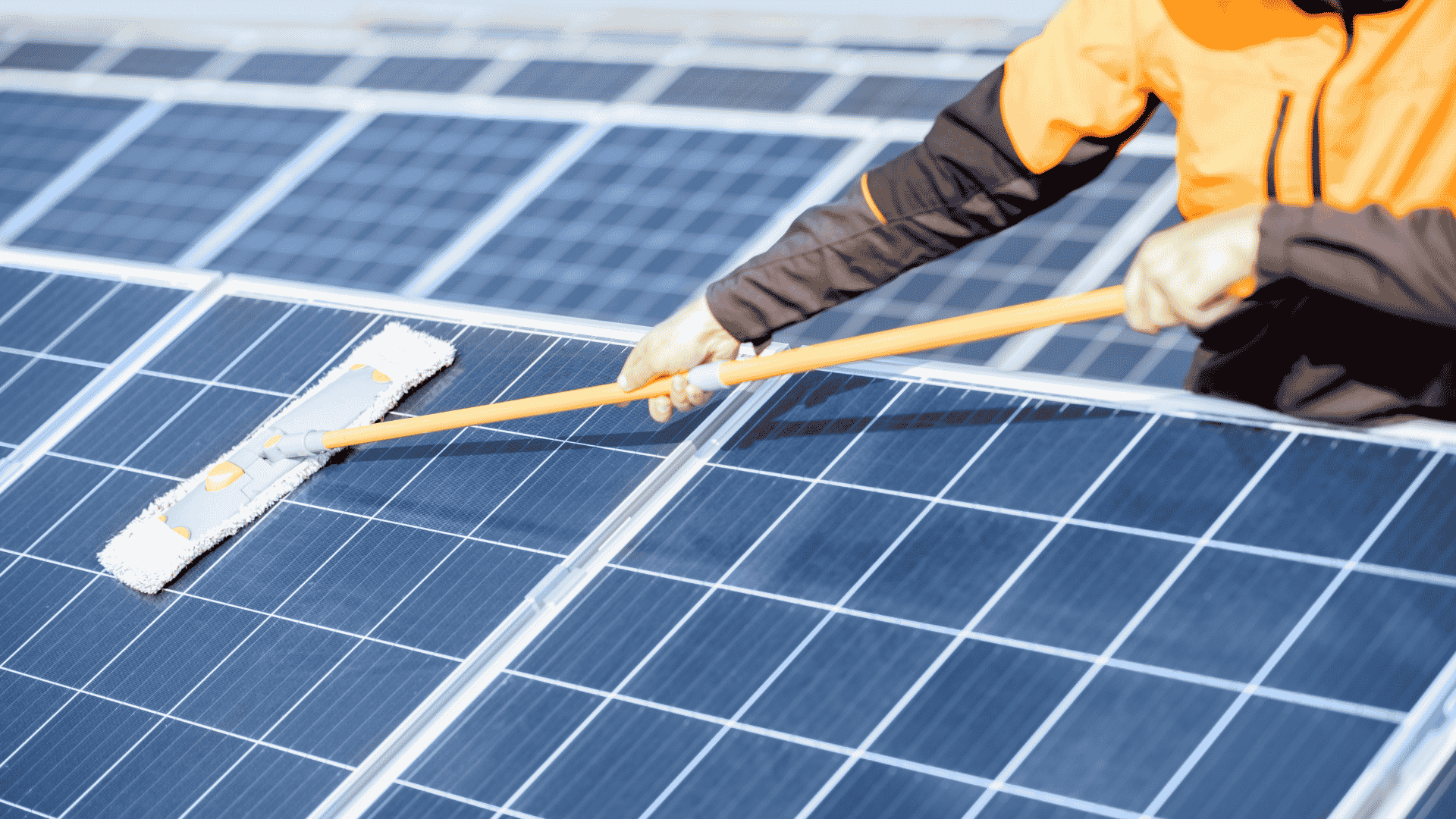
- Upkeep. Panels need cleaning once or twice a year on the Highveld, and someone should be watching the system's output. See when to clean your solar panels.
- Replacements, eventually. A good LFP battery should last well over a decade, and inverters are usually warranted for five to ten years. Neither lasts as long as the panels.
If You Can't Afford It All at Once
Solar is one of the few things you can build in stages, as long as the first stage is planned with the last one in mind. The order that wastes the least:
- Buy the final inverter first. Size it for the system you want in three years, not the one you can afford today. Replacing an undersized inverter is the most common way people pay for part of their system twice.
- Add one battery. Enough to cover your outages and a bit of the evening. Choose a model you'll still be able to buy more of.
- Add panels. This is where the bill starts coming down. Panels are relatively cheap now, so this stage often gives the biggest return for the money.
- Add more battery. When you're ready, and ideally within a few years of the first one. New modules work best alongside old ones of the same model and similar age.
Each stage is electrical work on your installation, so each one needs doing and certifying by a registered electrician, and each one should leave your paperwork up to date.
There are other ways to spread the cost. Most banks offer solar loans, or you can use an access bond. Several companies also rent systems for a monthly fee with maintenance included. Renting costs more over ten years than buying, but it moves the risk of breakdowns to the provider and lets you walk away if you sell. Whichever route you take, compare the monthly cost with what the system will realistically save, including the postpaid fixed charge above.
What a Cheap Quote Usually Leaves Out
If one quote is much lower than the others, check whether it includes:
- The Certificate of Compliance, issued by a registered electrician under their own registration
- Your SSEG application to City Power
- DC isolators and surge protection on both the DC and AC sides
- Proper labelling at the inverter, the battery and the distribution board
- An inverter on City Power's approved list, with its NRS certificate
- Named brands and models for every component
A system without these costs less today. It can cost a great deal more when you sell the house, make an insurance claim or have to put it right later. We spend a lot of our time on systems installed in a hurry in 2022 and 2023, and the fix almost always costs more than doing it properly would have.
How We Help
We design and manage new home solar installations across Blairgowrie, Linden, Randburg, Ferndale, Northcliff, Fairland, Emmarentia, Greenside, Parkhurst and the suburbs around them.
We start with a site assessment and your electricity bills, and size the system for how your household uses power, not for a package. Your written quote names every component by make and model. [Components are supplied at cost, and our design and project management fee is its own line on the quote.] The installation and the Certificate of Compliance are done by a vetted registered electrical contractor from our network, whom you contract directly, and we prepare your SSEG application with you.
Not sure what size you need yet? Start with the free sizing guide.
Get a Solar Quote
Tell us about your home and what you want solar to do, and we'll come back to you within one working day to arrange a site assessment. Get a Solar Quote