
How to choose a solar inverter

Tony Lopes
Short answer: Match the inverter's continuous and peak power to your loads, check its PV input and battery compatibility, and confirm it has the NRS 097-2-1 certificate City Power asks for when you register. Prefer a brand with local stock and support, and leave room to add panels or batteries later.
Last updated November 2026.
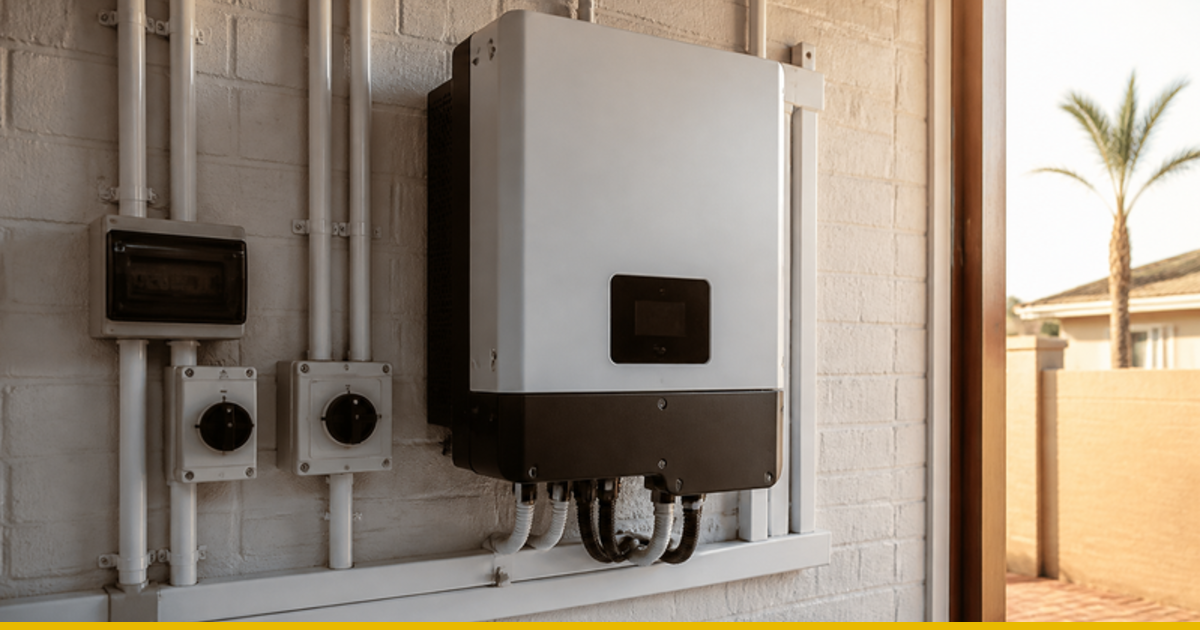
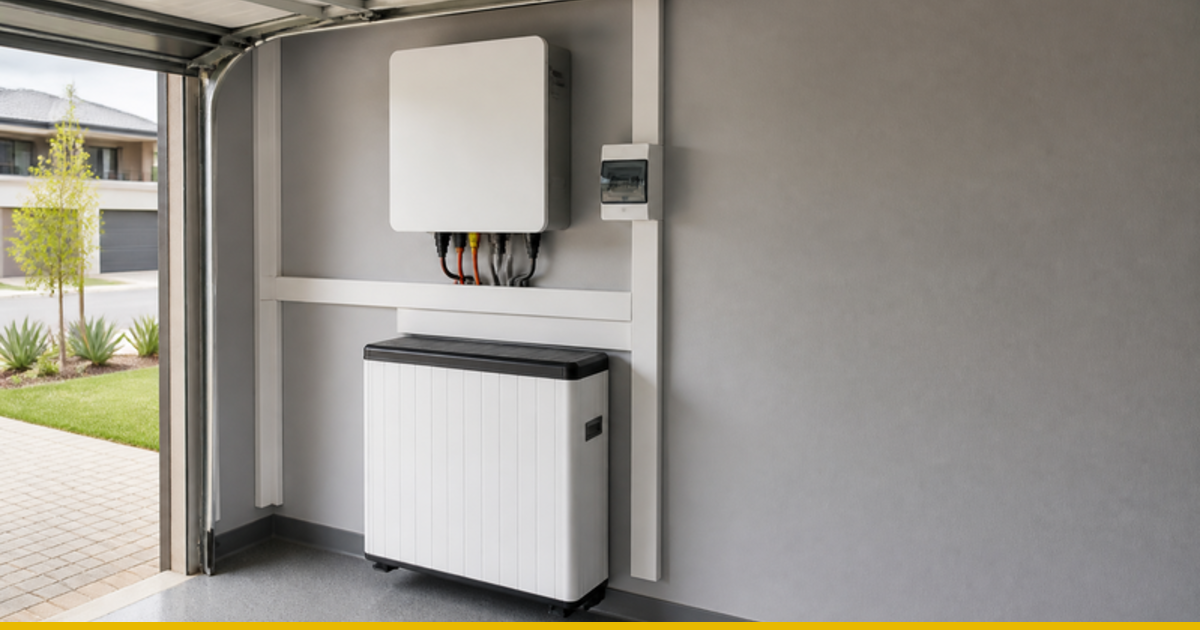
The inverter is the brain of a solar installation. It converts the panels' DC power to AC for your home, manages the battery and decides when to draw from the grid. Choose it well and the rest of the system can grow around it. This guide is brand-neutral and explains what to compare on a quote.
How do I choose an inverter for a home solar system?
| What to check | Why it matters |
|---|---|
| Continuous power (kW) | What it can supply all day. It must cover the loads you run at the same time. |
| Peak (surge) power | Motors in pumps, fridges and aircons draw a short burst when they start. Too little surge capacity causes trips. |
| PV input | Maximum panel power, voltage and number of MPPT inputs. Two MPPTs help when panels face different directions. |
| Battery compatibility | The battery must be on the inverter maker's approved list so they communicate properly. |
| Grid approval | City Power asks for an NRS 097-2-1 certificate for the inverter model when you register an embedded generation (SSEG) system. |
| Type | Hybrid inverters handle panels, battery and grid in one unit and suit most homes. Grid-tied inverters have no battery backup. |
| Warranty and support | Typically 5 to 10 years. A local distributor with stock and a repair process matters as much as the term. |
| Monitoring | A usable app lets you and your installer spot problems early. |
What size inverter do I need?
Add up the appliances that could run at the same time, then allow headroom. Most three-bedroom homes in Johannesburg land on a 5 to 8 kW hybrid inverter. Larger homes with pool pumps, borehole pumps or several aircons often need 8 to 12 kW, or two inverters. Our guide to what size solar system you need works through an example.
Single phase or three phase?
Most homes have single-phase supply and use a single-phase inverter. If your property has three-phase supply, your installer will either fit a three-phase inverter or back up only some circuits. Check which you have before comparing quotes.
Does the inverter need approval for SSEG?
Yes. Registering your system with City Power is a legal requirement, and the application includes the inverter's NRS 097-2-1 certificate. Choosing a model without one can block registration. See SSEG registration in Johannesburg.
Should I leave room to grow?
If you might add panels, a battery or an electric car later, a slightly larger inverter now usually costs less than replacing it. See adding panels or a battery and hybrid vs grid-tied vs off-grid.
Safety First
- Inverters must be installed by a registered installer who issues a Certificate of Compliance for the work.
- Don't open an inverter. It holds dangerous DC and AC voltages even when switched off.
Frequently Asked Questions
What size inverter do I need?
One that covers everything you run at once, with headroom. For most three-bedroom homes that's 5 to 8 kW.
Does the inverter need approval for SSEG?
Yes. City Power asks for the inverter's NRS 097-2-1 certificate as part of registration.
Single phase or three phase?
Match your supply. Most homes are single phase; three-phase properties need a three-phase inverter or a design that backs up selected circuits.
Where We Fit In
CleanVolts matches homes, businesses and farms with vetted, registered CleanVolts Approved installers who size the inverter from your actual loads and name every component by make and model. We never buy or sell hardware, using CleanVolts costs you nothing, and if the installer pays us a referral fee, we tell you up front.
Sources: City of Johannesburg / City Power SSEG application requirements; NRS 097-2-1 grid interconnection standard.