Solar on hillside homes: shading, wind and access in Northcliff and surrounds

Tony Lopes
Short answer: On a hillside, check three things before you buy: shading from the hill, trees and neighbours through the year (winter is worst), wind exposure on ridges, and how installers and cleaners will reach the roof. A site visit with a proper shading check matters more on a slope than anywhere else, because two houses on the same street can produce very differently.
Last updated November 2026.
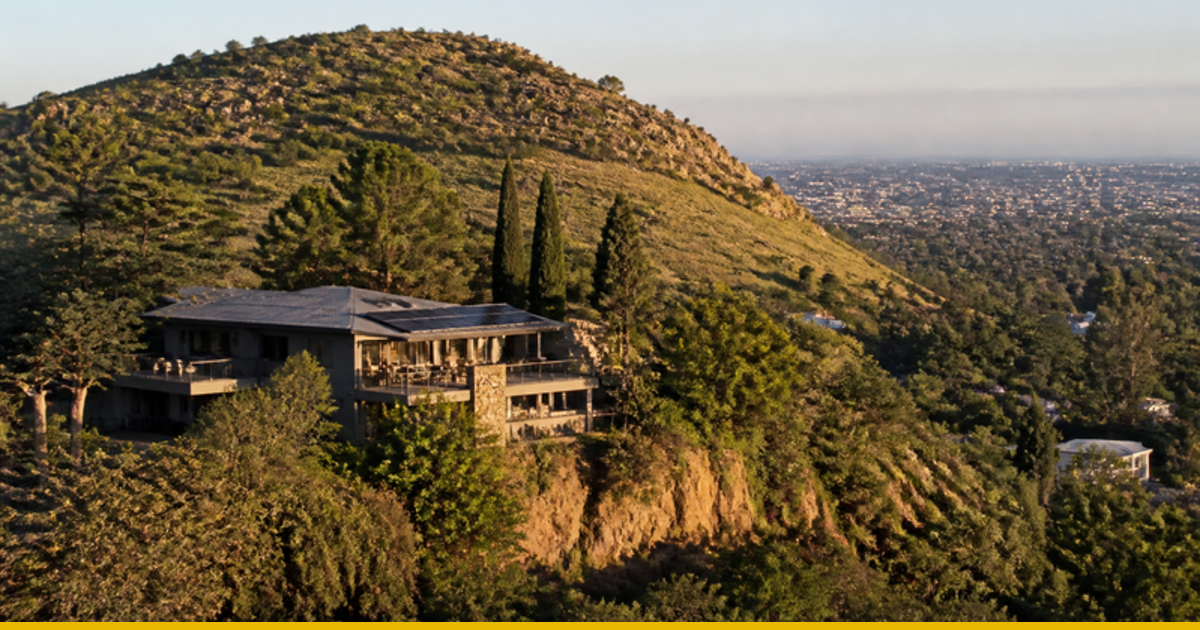
Northcliff, Fairland, Blackheath, Linden and the suburbs around the ridge have some of Johannesburg's best views, and some of its trickiest roofs for solar. This guide covers what's different about solar in northern Johannesburg when your home sits on a slope.
What should hillside homes consider before installing solar?
| Issue | Why it matters on a slope | What to ask |
|---|---|---|
| Shading | The low winter sun can drop behind the hill, tall trees or the house above you for hours. | A shading analysis that covers June, not only summer. |
| Wind | Ridges and exposed roofs catch stronger gusts, especially in summer storms. | How the mounting and fixings are rated for your exposure. |
| Lightning | High, exposed homes on the Highveld see more strikes nearby. | Surge protection on both the DC and AC sides, itemised on the quote. |
| Access | Steep driveways, split levels and high eaves make lifting panels harder. | Whether scaffolding or extra labour is in the price. |
| Cable runs | The roof, inverter and DB board can be far apart across levels. | Cable sizing and routing, and where the inverter will sit. |
Does a north-facing slope help solar?
Yes. A home on a north-facing slope usually gets sun earlier and longer, especially in winter, and a north-facing roof is the most productive in Johannesburg. South-facing slopes are the opposite: the hill itself can shade the roof for part of the winter day. East or west roofs still work well. See roof types and solar and solar output in winter.
How do installers reach steep roofs?
With scaffolding, roof ladders and fall-arrest equipment, and sometimes by lifting panels up in stages from a lower level. It adds time and cost, so ask for it in writing on the quote. The same applies to future cleaning; see when to clean your solar panels.
Do panels need extra fixing in wind?
On exposed sites, often. The installer should choose rails, hooks or clamps and their spacing for the wind exposure, roof type and panel size, and keep panels back from roof edges and ridges where uplift is strongest. Ask how they've allowed for it.
Safety First
- Don't go on a steep roof yourself. Installers should use fall protection and have working-at-heights training.
- All work must be done by a registered installer who issues a Certificate of Compliance.
Frequently Asked Questions
Does a north-facing slope help solar?
Yes. It usually means more sun, especially in winter. South-facing slopes can be shaded by the hill.
How do installers reach steep roofs?
With scaffolding, roof ladders and fall-arrest equipment. Make sure it's in the quote.
Do panels need extra fixing in wind?
On exposed ridges, often. Ask how the mounting is designed for your site.
Where We Fit In
CleanVolts is based in Blairgowrie and matches homes across northern Johannesburg with registered CleanVolts Approved installers who do a proper site and shading assessment before quoting. The installer contracts with you directly. Using CleanVolts costs you nothing, and if the installer pays us a referral fee, we tell you up front.